Did you know
some dollar
assets yield
double digits? They exist. Today, per year, gross. It is market data, not a promise: here you learn where the yield comes from and what risk comes with it.
Which assets are these?
Three examples of dollar assets that yield double digits today. Each number is the asset's annual yield on its price, before taxes and costs.
| Asset | Yields today | Risk | Source | Date |
|---|---|---|---|---|
| Companies that lend to mid-sized companies (BDCs · MVIS US BDC index) | 10.80% | Risk: high | MarketVector MVBDC | consulted on Oct 18, 2026 |
| Companies that invest in mortgages (Mortgage REITs · ETF REM) | 12.50% | Risk: high | iShares | Sep 30, 2026 |
| Equity funds that sell options (Option-income ETFs · ETF QQQI) | 14.28% | Risk: high | NEOS | Sep 30, 2026 |
| US Treasury, 10 years (reference, for comparison) | 5.09% | Risk: moderate | US Treasury, daily rates | Oct 16, 2026 |
None of them is low risk: what yields more, risks more.
“Double digits” is what these assets yield today, gross. It is not a promise, nor your capital multiplied.
- 1 MarketVector MVBDC, consulted on Oct 18, 2026.
- 2 iShares, Sep 30, 2026.
- 3 NEOS, Sep 30, 2026.
- 4 US Treasury, daily rates, Oct 16, 2026.
Gross. Each number is measured in its own way (an index's dividend yield, a 30-day SEC yield, a distribution rate): they are not comparable with each other or with total return.
Market data (source and date shown). Not a promise of returns. Past performance does not guarantee future results.
What each name means
- BDC
- Business development company: a US-listed company that lends to mid-sized companies. If the borrowers stop paying, the dividend is cut and the share falls with it.
- Mortgage REIT
- A US-listed company. It does not own buildings: it owns mortgages. The debt multiplies the loss too: when rates rise, the book value shrinks fast.
- Option-income ETF
- An exchange-traded fund that draws income from options on stocks. Its upside is capped, equity drawdowns pass through almost fully, and part of the distribution may be return of capital.
double digits
What it is
- A yield objective for the whole: annual distributions between 10% and 19.99% of price.
- Market data observed today, with a source and date on every number.
- Gross, before taxes and fees, with the risk printed beside it.
What it is not
- Not total return, not expected return.
- Not a promise, a projection or a contracted result.
- Not your capital multiplied.
Who is behind the largest BDCs?
The largest BDCs in the United States are run by banks and asset managers you know. Whoever buys the stock joins the loans these houses originate, beside their funds and, in some, beside the house's own capital.
See the BDC each house runs and how much of it the house owns
Balance sheets up to Sep 30, 2026 · the house's stake per the latest filing · source on every row
Bain Capital
Alternative asset manager
Bain Capital Specialty Finance, Inc. BCSF
$2.3bn invested in 215 companies, as of Sep 30, 2026
Source: Bain Capital Specialty Finance, Q3 2026 results (opens in a new tab), Nov 9, 2026
18.2%
of the shares sit in two Bain Capital Credit vehicles
Source: Bain Capital Specialty Finance, 2026 proxy statement (SEC) (opens in a new tab), Apr 20, 2026
Morgan Stanley
Investment bank
Morgan Stanley Direct Lending Fund MSDL
$3.4bn invested in 233 companies, as of Sep 30, 2026
Source: Morgan Stanley Direct Lending Fund, Q3 2026 results (opens in a new tab), Nov 5, 2026
11.4%
of the shares belong to a wholly owned subsidiary of Morgan Stanley
Source: Morgan Stanley Direct Lending Fund, 2026 proxy statement (SEC) (opens in a new tab), Apr 17, 2026
Goldman Sachs
Investment bank
Goldman Sachs BDC, Inc. GSBD
$2.9bn invested in 168 companies, as of Sep 30, 2026
The BDC was formed in 2012 with seed capital from The Goldman Sachs Group itself.
Source: Goldman Sachs BDC, Q3 2026 results (SEC) (opens in a new tab), Nov 5, 2026
5.8%
of the shares belong to The Goldman Sachs Group itself
Source: Goldman Sachs BDC, 2026 proxy statement (SEC) (opens in a new tab), Apr 1, 2026
KKR
Alternative asset manager
FS KKR Capital Corp. FSK
$11.3bn invested in 234 companies, as of Sep 30, 2026
Run jointly by KKR and Future Standard. In June 2026 KKR bought $150 million of the stock, at $11.00 a share, with its own cash, and agreed to buy a further $150 million of convertible preferred stock.
Source: FS KKR Capital, Q3 2026 results (opens in a new tab), Nov 5, 2026
5.2%
of the shares belong to KKR itself
Source: KKR, Schedule 13D (SEC) (opens in a new tab), Jun 23, 2026
Apollo
Alternative asset manager
MidCap Financial Investment Corporation MFIC
$2.6bn invested in 221 companies, as of Sep 30, 2026
On Oct 27, 2026 Ares Capital announced it has agreed to buy this BDC, in stock and cash.
Source: MidCap Financial Investment, Q3 2026 results (opens in a new tab), Nov 5, 2026
5.1%
of the shares sit in two vehicles affiliated with Apollo
Source: MidCap Financial Investment, 2026 proxy statement (SEC) (opens in a new tab), Apr 30, 2026
Ares
Alternative asset manager
Ares Capital Corporation ARCC
$29.2bn invested in 636 companies, as of Sep 30, 2026
Source: Ares Capital, Q3 2026 results (opens in a new tab), Oct 27, 2026
< 5%
below the proxy's disclosure threshold
Source: Ares Capital, 2026 proxy statement (SEC) (opens in a new tab), Mar 5, 2026
Blue Owl
Alternative asset manager
Blue Owl Capital Corporation OBDC
$15.1bn invested in 233 companies, as of Sep 30, 2026
Source: Blue Owl Capital Corp., Q3 2026 results (opens in a new tab), Nov 4, 2026
< 5%
below the proxy's disclosure threshold
Source: Blue Owl Capital Corp., 2026 proxy statement (SEC) (opens in a new tab), Apr 1, 2026
Blackstone
Alternative asset manager
Blackstone Secured Lending Fund BXSL
$12.9bn invested in 306 companies, as of Sep 30, 2026
Source: BXSL, Q3 2026 results (opens in a new tab), Nov 4, 2026
< 5%
below the proxy's disclosure threshold
Source: BXSL, 2026 proxy statement (SEC) (opens in a new tab), Jun 29, 2026
Carlyle
Alternative asset manager
Carlyle Secured Lending, Inc. CGBD
$2.3bn invested, as of Sep 30, 2026
Source: Carlyle Secured Lending, Q3 2026 results (opens in a new tab), Nov 5, 2026
< 5%
below the proxy's disclosure threshold
Source: Carlyle Secured Lending, 2026 proxy statement (SEC) (opens in a new tab), Apr 30, 2026
BlackRock
Asset manager
BlackRock TCP Capital Corp. TCPC
$0.5bn invested in 126 companies, as of Sep 30, 2026
The portfolio shrank from $1.29 billion in June to $544 million in September 2026.
Source: BlackRock TCP Capital, Q3 2026 presentation (opens in a new tab), Nov 5, 2026
< 5%
below the proxy's disclosure threshold
Source: BlackRock TCP Capital, 2026 proxy statement (SEC) (opens in a new tab), Apr 9, 2026
See other houses: Golub Capital, Sixth Street, Oaktree, Barings, Nuveen
Nuveen
Manager owned by an insurer
Nuveen Churchill Direct Lending Corp. NCDL
$1.9bn invested in 258 companies, as of Sep 30, 2026
Source: Nuveen Churchill Direct Lending, Q3 2026 results (opens in a new tab), Nov 3, 2026
13.8%
of the shares belong to TIAA, Nuveen's parent
Source: Nuveen Churchill Direct Lending, 2026 proxy statement (SEC) (opens in a new tab), Apr 6, 2026
Barings
Manager owned by an insurer
Barings BDC, Inc. BBDC
$2.5bn invested in 349 companies, as of Sep 30, 2026
Source: Barings BDC, Q3 2026 results (opens in a new tab), Nov 5, 2026
13.0%
of the shares belong to Barings itself
Source: Barings BDC, 2026 proxy statement (SEC) (opens in a new tab), Mar 10, 2026
Oaktree
Alternative asset manager
Oaktree Specialty Lending Corporation OCSL
$2.7bn invested in 163 companies, as of Jun 30, 2026
Source: Oaktree Specialty Lending, fiscal Q3 2026 results (opens in a new tab), Aug 5, 2026
8.9%
of the shares belong to Oaktree Capital Holdings and affiliates
Source: Oaktree Specialty Lending, 2026 proxy statement (SEC) (opens in a new tab), Jan 16, 2026
Sixth Street
Alternative asset manager
Sixth Street Specialty Lending, Inc. TSLX
$3.4bn invested in 133 companies, as of Sep 30, 2026
Source: Sixth Street Specialty Lending, Q3 2026 results (SEC) (opens in a new tab), Nov 3, 2026
2.9%
of the shares belong to the BDC's own adviser, part of Sixth Street
Source: Sixth Street Specialty Lending, 2026 proxy statement (SEC) (opens in a new tab), Apr 9, 2026
Golub Capital
Alternative asset manager
Golub Capital BDC, Inc. GBDC
$8.2bn invested in 424 companies, as of Jun 30, 2026
Source: Golub Capital BDC, fiscal Q3 2026 results (opens in a new tab), Aug 3, 2026
< 5%
below the proxy's disclosure threshold
Source: Golub Capital BDC, 2026 proxy statement (SEC) (opens in a new tab), Dec 11, 2025
What that means, and what it does not
You join the same loans
The BDC may invest alongside the house's other funds, under an SEC order: the same loan can go into the institutional clients' portfolio and into the BDC.
The money is the shareholders'
A BDC's portfolio is funded by those who buy the stock and by debt, not by the house's balance sheet. The house manages it, charges fees for that and, where the list of houses shows it, is a shareholder too.
A known name is not protection
A known name does not remove credit risk. If the companies stop paying, book value and the stock fall, whichever the house.
Public information, read in each company's own filings. The names belong to their owners and appear here only to say who runs each BDC: there is no affiliation, partnership or endorsement between these houses and Dollar Academy or Dollar Double Digits. Not a recommendation to buy or sell.
What is the risk? A high yield is not a high return.
- Paid per year, on its price
- 28.7%
- Total return over 12 months
- -30.1%
It is the same fund, on the same date. A yield far above its peers is a warning, not a shortcut.
OXLC, a US closed-end fund of very high risk: distribution rate on price and 12-month total return on net asset value (NAV). Source: CEF Connect (opens in a new tab), Oct 16, 2026. An illustration, not a recommendation.
Market data (source and date shown). Not a promise of returns. Past performance does not guarantee future results.
What to look at before the yield
Total return held up.
NAV per share fell over the year, but NAV total return was +6.3% for CEFData's large-cap BDC index and +3.5% for small-cap.
The market prices quality.
BDCs with ROE of 7% or more trade at a median 30% premium to NAV; negative-ROE names sit at a 35% discount.
Reading of the BDCs' Q3 2026, by John Cole Scott (CEF Advisors Research, November 2026). Index returns do not reflect fees or expenses and are not the performance of CEF Advisors or of any product.
See the reading of the quarterYou can lose capital. Payments can fall and the dollar moves against the real.
In the US, dividends usually have 30% withheld at source: the net figure can be much lower than the gross one. See the sum and its sources
See the second example and the chart
ECC · Eagle Point Credit
- Paid per year, on its price
- 24.8%
- Total return over 12 months
- -25.5%
Source: ECC · CEF Connect (opens in a new tab), Oct 16, 2026
Distribution and return, side by side
- OXLC28.7%-30.1%
- ECC24.8%-25.5%
| Ticker | Distribution rate on price | 12-month total return on NAV |
|---|---|---|
| OXLC | 28.7% | -30.1% |
| ECC | 24.8% | -25.5% |
An entrepreneur who invests. An investor who builds.
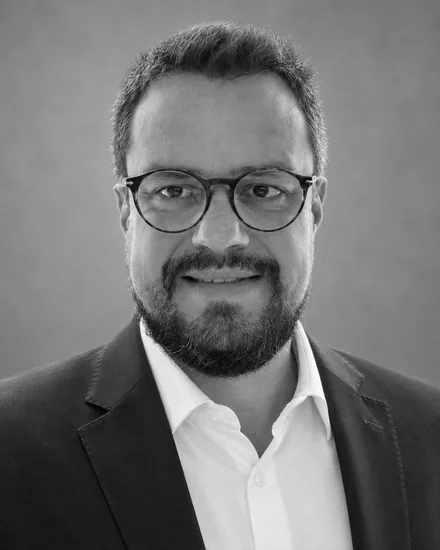
Angelo Orru Neto · Master's in Economics · CFP® · Founder & Chairman, BlackPuzzle Investments
More than a decade in financial markets, much of it as a private banker at a large bank, serving business families in the interior of São Paulo.
Master's in Economics and certified financial planner (CFP®). Founder and chairman of BlackPuzzle Investments, a holding of technology startups in Brazil and the United States.
Dollar Double Digits is how he organizes the conversation about dollar income with other entrepreneurs: piece by piece, with the risk next to every number and no product on the table.
To check
A BlackPuzzle Investments thesis. From the countryside to the world.
blackpuzzle.capital (opens in a new tab)Questions from people who are starting.
Is your question not here? Send it to us. Send your question
What does “double digits” mean?
It is the gross yield we aim for across the portfolio: annual distributions of 10% or more on price, before taxes and costs.
It is a construction objective, not a contracted result and not total return: the price of the pieces moves along the way.
Can I lose money?
Yes. Every piece of the thesis carries credit, market and currency risk, and some use leverage.
That is why the selection does not chase the highest yield: it looks first at dividend coverage, book value per share and credit quality. That reduces the risk; it does not remove it.
How much is left after tax?
It depends on the type of income and on the vehicle. In the illustrative sum in the Academy, out of every US$ 100 of gross income US$ 70 is left when 30% is withheld in the US and US$ 85 when it is not, before costs, IOF and currency.
The sum applies to someone who receives the income directly, in an account of their own abroad. It is an illustration with the general rates, not tax advice. Check your own case with your accountant.
What if the dollar falls?
The income is still in dollars, but it is worth less in reais. Over 12-month windows between Nov 2016 and Oct 2026, the dollar has fallen 22.0% and has risen 43.5% against the real.
The thesis makes no currency forecast. Anyone who spends in reais takes that swing along with the income, in both directions.
Can I get out whenever I want?
It depends on the piece. ETFs and listed shares trade every day; unlisted private credit has redemption windows and limits; venture is illiquid. The Liquidity column of the table in the Academy shows it piece by piece.
Daily liquidity is not a stable price: you can sell, but at the price of the day.
What about inheritance of assets in the United States?
Shares and funds of US companies count as assets situated in the US. Above US$ 60,000, the estate of someone who is neither a US resident nor a US citizen falls under the US estate tax, with a top rate of 40%.
That weighs on the choice of vehicle. Estate planning stays with your lawyer.
Does this page recommend any investment?
No. The material is informational: it shows market data with source and date, and tickers appear as examples, not as a buy list.
An individual decision goes through the suitability analysis for your profile.
What are the BDC Analyzer and the REIT Analyzer?
Two in-house tools, for internal use, to select and monitor the BDCs and mortgage REITs of the thesis. They put the risk beside the yield, keep the source and date of each number and flag what is under stress.
They are not a ranking or a buy list, and they do not decide on their own.
What is the difference between the conversation and the course?
The conversation is about your case: diagnosis first, product after.
The Método Double Digits course, in the Academy and still in preparation, is educational: it teaches how to understand, compare and combine dollar investments, with no individual recommendation.
What happens to the data in the form?
They are used only to answer your message and, if you ask, to tell you when the course opens. The page uses no cookies.
Still have a question? Write to us. The reply is personal.
No account is opened and nothing is bought here. Send your question or ask for the course notice: I reply personally within one business day.
Prefer to talk by message? Chat on WhatsApp (opens in a new tab)